


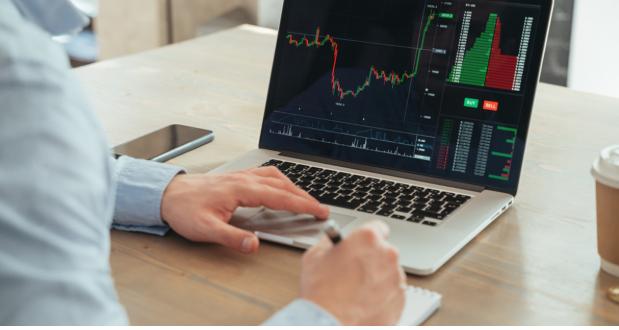

High-impact data releases can turn a peaceful chart into a chaotic storm of erratic wicks in seconds. When the market starts thrashing violently, your pulse races and rational thinking often flies out the window. Keeping your stress levels under tight control during wild sessions is what separates surviving traders from those who blow up.
Why do volatile market spikes cause such intense physical anxiety?
Sudden price jumps trigger a primitive survival reaction in your brain that floods your body with adrenaline. You see your open positions swinging wildly, and your nervous system reacts as if a physical predator just entered the room. That rush impairs your prefrontal cortex, making logical decision-making nearly impossible. It’s like driving a car through a sudden blizzard on a slick mountain road; your knuckles turn white and your instincts scream to panic. Recognizing this physical reaction helps you realize that your anxiety is just biology talking, not a sign that you should throw your risk management rules away.
How can I prepare my mind before entering a high-volatility session?
Reducing stress starts long before the opening bell rings on your platform screen. You shouldn’t walk into a major news event without knowing your maximum acceptable risk for that specific hour. Pre-defining your exit parameters ahead of time gives your brain a safety anchor so you don’t have to think on the fly. When you utilize an instant funding model, keeping your position sizes modest during chaotic windows prevents catastrophic emotional spikes. Setting expectations for wide slippage and erratic price action keeps you from getting blindsided when reality hits the terminal.
What should I do if my heart rate starts climbing during an active trade?
Step away from the mouse immediately and take three slow, deliberate breaths to reset your nervous system. Staring closer at the flashing numbers only amplifies your panic and tempts you to make a rash move out of fear. Your body needs a physical pause to lower cortisol levels and bring your analytical mind back online. FundingPips evaluates performance based on strict risk compliance, meaning an impulsive emotional exit will hurt your metrics far faster than a planned stop loss ever could. Give yourself sixty seconds of silence to let the adrenaline subside.
Does reducing my position size actually lower the psychological pressure?
Smaller lot sizes act as an effective shock absorber for your emotional state during turbulent market hours. If a single bad candle threatens to ruin your entire week, you’re trading way too large for your own mental health. Scaling down your exposure transforms a terrifying price crash into a manageable, routine variance. When you trade a funded account with comfortable risk parameters, you stop sweating every single tick. You can watch a position move against you without feeling like your entire career is evaporating right before your eyes.
How do I prevent post-volatility fatigue from ruining the rest of my day?
Wild market sessions burn through your mental energy much faster than slow, boring chop. Once the heavy volatility subsides, your brain is usually fried, making you prime prey for sloppy mistakes. Closing your platform for the day after a massive news release is often the smartest defensive play you can make. Trying to trade through the afternoon slump when your focus is shot is a recipe for disaster. Finding the best prop firm environment means accepting that preserving your mental capital matters just as much as protecting your monetary balance. Knowing when to quit for the day keeps your discipline intact for tomorrow.
Summary
Managing stress during wild market swings isn’t about feeling nothing; it’s about acting correctly despite the anxiety. Keeping your lot sizes sensible and stepping away when panic strikes protects your balance. Discipline is simply choosing long-term survival over short-term emotional reactions.